


£1,800.00
Adaptive Cruise Control
What is Land Rover Adaptive Cruise Control?
The system keeps your vehicle a safe distance from the one ahead. It reacts if that vehicle slows or stops while you are cruising or moving in slow traffic. If the vehicle in front stops, you will come to a gradual halt.
Most new Land Rover models include the Land Rover safety suite. This suite offers many driver‑assist features, such as blind spot monitoring, anti‑whiplash technology, and anti‑theft security. One highlight is this feature. It elevates standard cruise control to help keep you safer on Denver roads. The team at Land Rover Flatirons has more details on how this system works and which models offer it. Check out the guide below!
How Does the System Work?
When engaged, your vehicle slows down automatically if the car ahead reduces speed or moves into your lane. It uses built‑in sensors to maintain a safe following distance. Once the slower vehicle is no longer present, the system returns your speed to your original setting.
Deactivating Adaptive Cruise Control
The system may deactivate automatically in certain situations. However, it retains memory of its latest settings. Common causes for deactivation include:
-
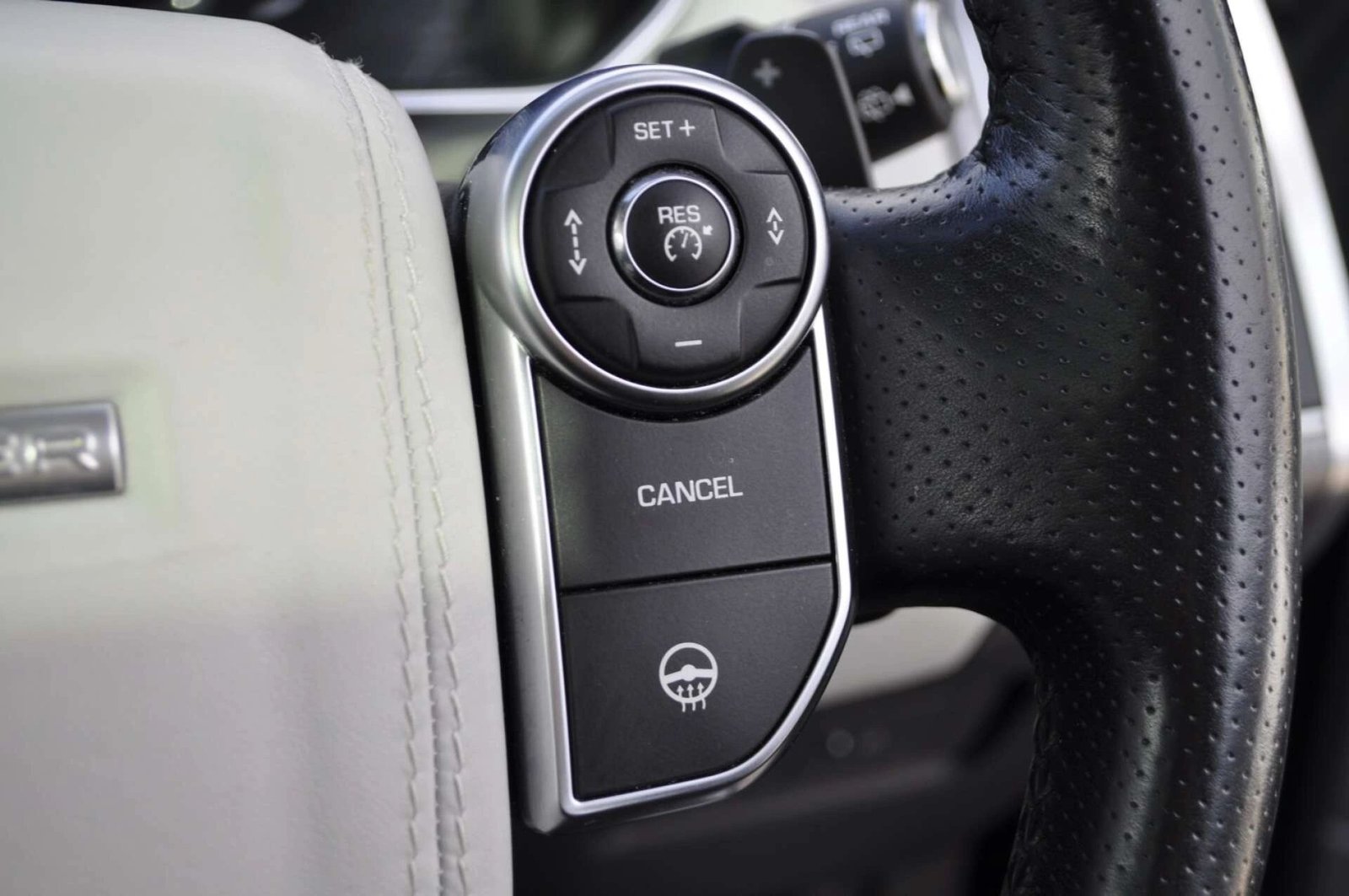
Pressing the CAN button on the steering wheel.
-
Pressing the brake pedal.
-
Selecting All Terrain Progress Control (ATPC).
-
Activation of Dynamic Stability Control (DSC) or Electronic Traction Control (ETC).
-
Applying the Electronic Parking Brake (EPB).
-
Selecting Hill Descent Control (HDC).
-
The speed limiter operating (when the preset limit is reached).
Stop & Go / Queue Assist
If your Land Rover includes this feature, you also get Stop & Go or Queue Assist (depending on your region). This function:
-
Operates in heavy, slow‑moving traffic.
-
Brings your vehicle to a standstill when the car ahead stops.
-
Resumes following when you tap the accelerator.
-
Allows following‑distance adjustment via steering‑wheel controls.
| Make Model | L405 Vogue |
|---|
Related products
Retrofits
Retrofits
Retrofits
Retrofits
Retrofits

Retrofits
Retrofits

Retrofits