

£300.00
Adaptive Cruise Control
What Is This Driver-Assistance Technology?
Many West Chester, PA drivers ask us, “What is Adaptive Cruise Control?” or “Is it worth it?” At Land Rover Wilmington, we can answer both questions and many more regarding this driver-assistance feature, which is available in new Land Rover models. The system takes standard cruise control & speed limiters to the next level. Learn more about it with Land Rover Wilmington today!
How Does the System Work?
When engaged, the vehicle’s speed automatically reduces if a slower moving vehicle is detected in front of you.
It helps to maintain desired speeds on Middletown highways, alleviating stress on your Range Rover by minimising time spent accelerating.
The system uses sensors to maintain a safe following distance to the vehicle ahead.
If it detects that the slower-moving vehicle is no longer present, it automatically raises your speed back to the original set cruise control speed.
Advanced systems are connected to navigation and/or cameras to help slow down around tight curves or when posted speed limits change.
How This Feature Makes Driving Easier
Overall, the system is designed to decrease stress on the accelerator pedal in cruising conditions. However, there are a few more ways it makes daily Newark commutes easier:
-
It features Stop & Go capability, allowing the vehicle to continue using the system at lower speeds – it can stop when traffic does.
-
The system will automatically deactivate a few seconds after you’ve come to a complete stop.
-
With this feature, you also receive a bundle of other safety technologies that help make driving around Wilmington a carefree experience.
Limitations to Keep in Mind
So far, we’ve covered what it is and how it works. However, it’s equally important to understand the limits. Here are a few limitations to remember:
-
The driver must still steer the vehicle.
-
If the vehicle ahead suddenly brakes, you will need to take action.
-
Obstructions like cones or roadkill must be avoided by you.
-
Extreme weather or debris can affect the system since it relies on camera sensors and radar.
How to Turn Off the System
Now that you know how it works, here is how to turn it off when not needed:
-
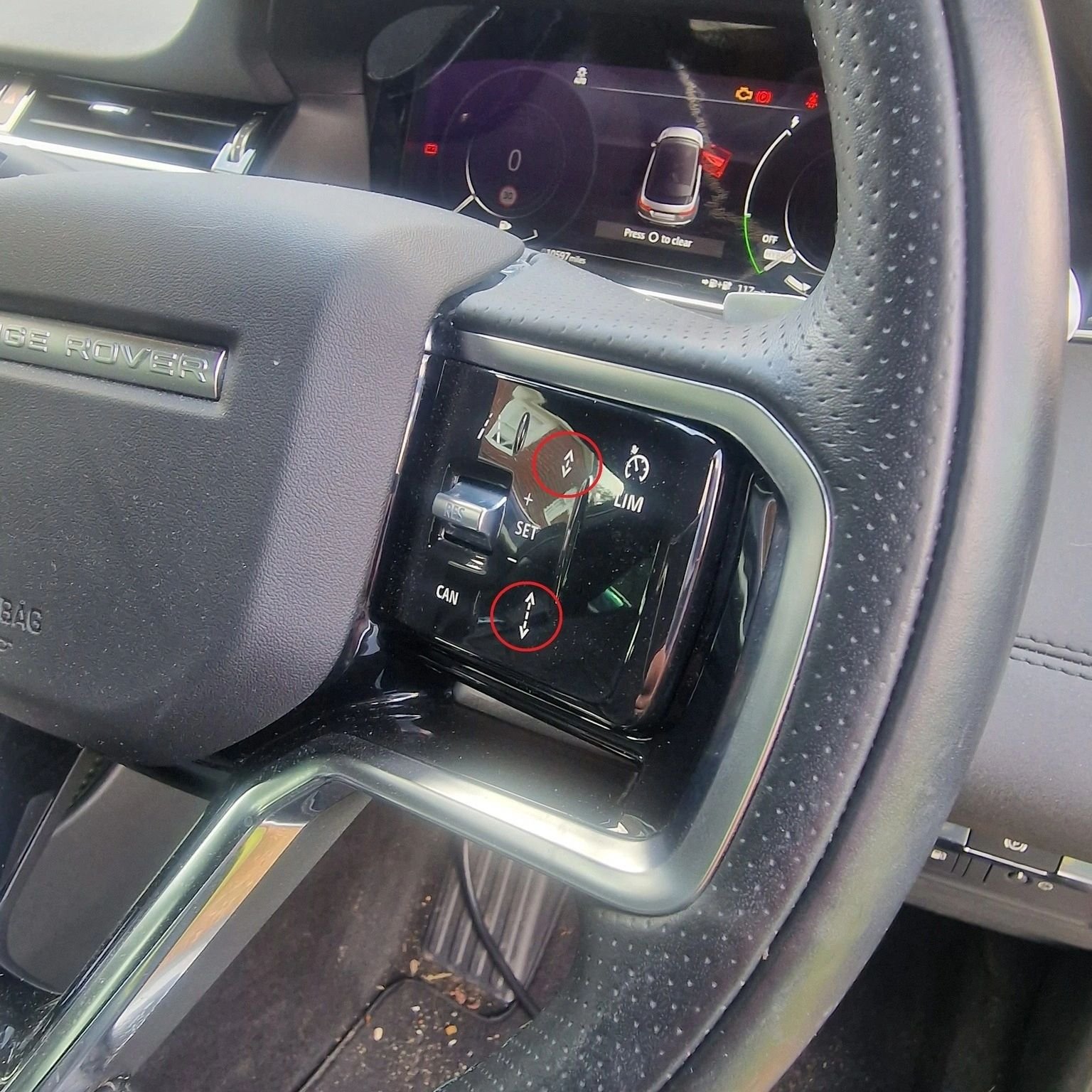
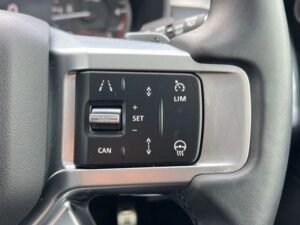
Press the CAN (cancel) button on the steering wheel.
-
Press the brake pedal or the Electronic Parking Brake (EPB).
-
Manually select Hill Descent Control or All-Terrain Progress Control (ATPC).
-
When Dynamic Stability Control (DSC) or Electronic Traction Control (ETC) activate automatically, the system will deactivate once the pre-set speed is reached.
Is This Feature Worth It?
So, is it worth it? The answer is “yes!” If your commute is long or you’re the adventurous type, this feature is a huge upgrade. As the car controls accelerating and braking, it can relieve much driving stress. However, we recommend giving yourself time to acclimate if you’ve never experienced it before.
Which Models Offer It?
Regardless of which Land Rover model you choose, you can have this feature in the following:
-
Land Rover Defender: Standard on X‑DYNAMIC HSE trim (both 90 and 110).
-
Land Rover Discovery: Standard on R‑DYNAMIC HSE trim.
-
Land Rover Discovery Sport: Available as a standalone option on SE and R‑DYNAMIC SE.
-
Range Rover: Available from the baseline trim; standard on Westminster Edition and above.
-
Range Rover Sport: Optional on baseline with Drive Pro Package; available across the lineup.
-
Range Rover Velar: Optional on base Velar S; standard on R‑DYNAMIC HSE.
-
Range Rover Evoque: Only available with the Driver Assist Package on any trim.
Shop for a Land Rover With This Feature at Land Rover Wilmington
Contact us to schedule a test drive of any Land Rover SUV equipped with this system at Land Rover Wilmington, and see for yourself why it is definitely worth it!
| Make Model | Range Rover Velar L560 |
|---|
Related products
Activations
Activations

Activations

Activations

Activations

Activations